Présentation de l'éditeur
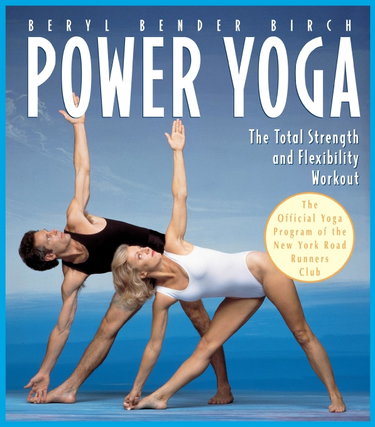
The official yoga program of the New York Road Runners club,
Power Yoga is a unique combination of dynamic breathing and strong, flowing movement, which creates a high-heat, high-energy workout.
Unlike any other yoga program,
Power Yoga is a choreographed sequence of postures that flow into one another, building strength, unwinding tight joints,and loosening muscles. Beautiful photographs and clear instructions guide you through this effective and popular routine.
Based on the classical and original yoga system called
astanga, Power Yoga is a complete mind and body workout that develops concentration and reduces stress. With its focus on mindful breathing and body heat,
Power Yoga goes beyond the relaxation benefits of traditional yoga to offer a route to health and fitness that athletes of all levels will embrace.
Extrait
Chapter 1: The Quest
Everywhere I went the search continued. Four years in California. I looked in the sea. Seven in Colorado. I looked in the mountains. In 1974 I even traveled to India for six months and looked there in the cities and the mountains. The pretext for the trip was to cover -- as a photojournalist for
East West Journal -- Kumbha Mela, a huge spiritual festival held only once every twelve years on the banks of the Ganges River. Hundreds of thousands of Hindus from all over India make a pilgrimage to Hardwar, a small town north of Delhi, and all try to bathe in the Ganges at the same auspicious moment. I was in India to search. Photographing and writing about monks, mystics, and myriads of spiritual sojourners was just a way to validate my own ethereal wandering.
One evening in the swarming marketplace of Bombay, weeks before I was due in Hardwar for Kumbha Mela, I was hard at work on my search. In Bombay at night, small fires of burning dried buffalo dung are omnipresent, and a hazy yellow-orange curtain hangs over the churning sea of night life. The smell is intoxicating. And the dark, turbulent mystery of a Far Eastern city at night was irresistible to a young photojournalist.
I was so curious to find what I was looking for. I was so innocent. When those two polite gentlemen in the open-collared white shirts and loose jackets, with armloads of books on their hips, wanted to talk politics, I thought it might lead me to the answer. I was compliant. They said all Americans only wanted to stay in the Taj Mahal Hilton and have toilet paper and sheets and didn't have a clue about Indian life.
That's not me! Let me show you some of us care, some of us are down-to-earth, I thought. "Let's sit in this brightly lit tea stall," they said. I'm thinking,
Gee, yes, let's sit in this quaint little shop with the pictures of Lord Ganesha, the elephant god, on the walls and discuss the socioeconomic implications of Third World countries visited by First World tourists! Yes! Almost as good as Paris cafés in the thirties with Chopin and Liszt.
When the picture of Ganesha and the clock next to him started to melt visually down the wall, I realized instantly I was in trouble. As a voice audibly said, "Get out of here now!" I jumped up, knocked over my chair, and lurched out the door. I did get out, barely. Even as I escaped into the taxi, which miraculously appeared out of nowhere in front of the tea stall, a hand reached out unsuccessfully toward the cab door to follow me into the covering darkness of the backseat. The cab pitched forward and we bumped off toward my destination. Where was this search to end?
I sat all night on a veranda overlooking the Sea of Bombay, in shock. Searching the string of pearl lights along the harbor, encircling the city, I wondered what in the hell I was looking for. I watched the lights melt and drain into the sea and then rebirth themselves as fireworks. What was in that lime drink those men insisted I drink instead of
chai, the ubiquitous tea served in India? And the voice I heard?
What was that, and where did it come from? Pe