Présentation de l'éditeur
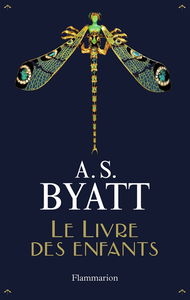
It is 1968 and Frederica Potter is surprised to find herself embarking on a new career in television. While she endeavours to navigate this fast-paced and occasionally bewildering industry, her lover John takes up a post working with a pair of unusual scientists. Yet in Frederica’s home county of Yorkshire, tumultuous events are unfolding. Soon her future, and that of the people closest to her, begins to look rather different.THE FOURTH FREDERICA POTTER NOVEL
Extrait
Chapter 1... “This is the last tree,” said the thrush. The last tree was a dwarf thorn, its black branches shaped one way by the wind, pointing back the way they had come. “Formerly,” said the thrush, “there was a last tree further out. And in earlier times there was a stunted wood, the Krumholz. The waste is advancing.”
They looked into iron twilight. They could barely make out the bluff where the wood had once been rooted.
“No one goes out there,” said the thrush. “In former days, there were travellers, until winter set in. But now they are afraid of the Whistlers. The winters have lengthened. And in the light days the land is infested by the Whistlers.”
“The place we seek is on the other side,” said Artegall. “According to the maps and the histories. We must go, and quickly, before winter sets in.”
“And before the hunters catch up with us,” said Mark.
“No one has set out, or come from there, in my life-time,” said the thrush, fluffing out his spotted feathers. His life-time was not very long, and his territory was small. He was a wiry, thick-quilted thrush.
“What is the land like?” asked Artegall.
“Scrub and stones, mosses, and lichens, deep pools with ice-covers, frozen rivers. There are white creatures there, I've been told, that scutter in the snow and hide in holes. And slick, grey efts, in the pools. They used to say the lichens were edible, if not palatable. All hearsay. I haven't been there.”
“And the Whistlers?”
“No one has seen them and lived,” said the thrush. “Indeed, to hear them is mostly fatal. They fly or glide like grey shadows and make a sound--a sound--”
“A sound?”
“So it is said, a high, whistling sound, at the extreme edge of what any creature can hear, yet all must hear it. A dog can hear whistles that you hear as disturbed silence. But these creatures have the power to pierce any ear--bird and man, bear and snowcock, even your sleeping stone reptile who appears to be lifeless.”
Artegall looked at Dracosilex, who had shown no sign of life since the Bale Fires of the last village.
“I could do with his counsel,” said Artegall. “If he could be wakened.”
“If the Whistlers woke him,” said the thrush, “you would not live to hear his counsel. And your bones would be picked in an instant.”
They built a shelter near the last tree, and set up their tents, before night fell. Noises howled and hummed round them, fine, glassy sounds and a regular quavering boom, and the icy blasts of the wind, blowing and flowing over the dry rattling twigs of the last tree. There were also shrill notes that could have been whistling, human or inhuman. Mark said that he had heard that the porpoises and the dolphins sang to each other in the blue summer waters of the south, from which they had come. “There is needles and knives in this wind,” said Dol Throstle. “And talons and claws.” They chewed dried meat, and sweet dried grapes, too few, gone too quickly.
In the morning a fine dry snow fell, gusting and eddying in the wind. They could not see very far. They discussed who should scout and who should stay. Mark asked if Artegall's geography books had contained maps of this land. There were a few maps of the Northern Empire, he said, vague shapeless spaces with a few rivers and many drawings of fabulous beasts, with twenty legs, or curving claws. It was written, White Waste. I remember one or two trails without issue, and arrows pointing out of the page, To the North. The pages were very richly decorated, bordered with gold