Présentation de l'éditeur
Coketown is dominated by the figure of Mr Thomas Gradgrind, school headmaster and model of Utilitarian success. Feeding both his pupils and family with facts, he bans fancy and wonder from any young minds. As a consequence his obedient daughter Louisa marries the loveless businessman and 'bully of humanity' Mr Bounderby, and his son Tom rebels to become embroiled in gambling and robbery. And, as their fortunes cross with those of free-spirited circus girl Sissy Jupe and victimized weaver Stephen Blackpool, Gradgrind is eventually forced to recognize the value of the human heart in an age of materialism and machinery.
Biographie de l'auteur
Charles Dickens was born at Portsmouth on 7 February 1812. He received little formal education, but taught himself shorthand and became a reporter of parliamentary debates for the
Morning Chronicle. He began to publish sketches in various periodicals, which were subsequently republished as Sketches by Boz.
The Pickwick Papers were published in 18367 and after a slow start became a publishing phenomenon and Dickens's characters the centre of a popular cult. He began
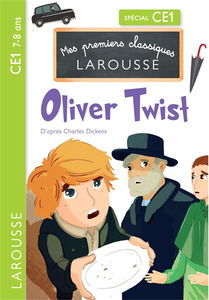
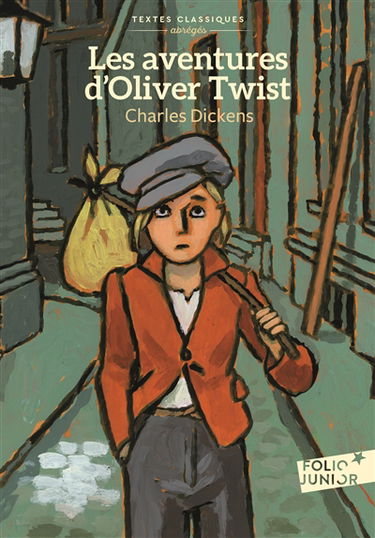
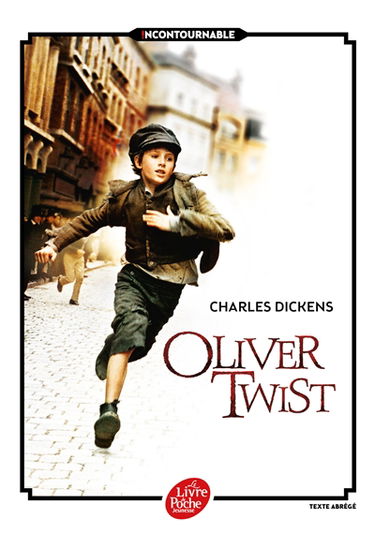
Oliver Twist in 1837, followed by
Nicholas Nickleby (1838) and
The Old Curiosity Shop (184041).After finishing
Barnaby Rudge (1841) Dickens set off for America; he went full of enthusiasm for the young republic but, in spite of a triumphant reception, he returned disillusioned. His experiences are recorded in
American Notes (1842).
Martin Chuzzlewit (18434) did not repeat its predecessors' success but this was quickly redressed by the huge popularity of the Christmas Books, of which the first,
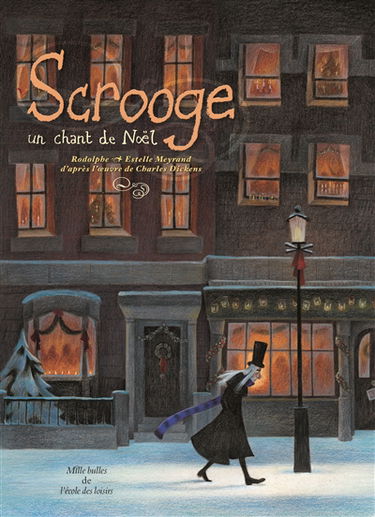
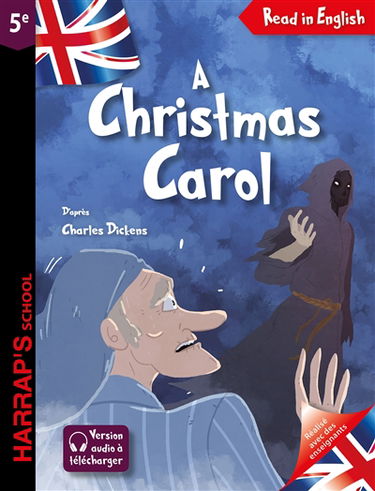
A Christmas Carol, appeared in 1843. During 18446 Dickens travelled abroad and he began
Dombey and Son while in Switzerland. This and
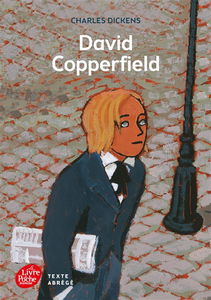
David Copperfield (184950) were more serious in theme and more carefully planned than his early novels. In later works, such as
Bleak House (1853) and
Little Dorrit (1857), Dickens's social criticism became more radical and his comedy more savage. Charles Dickens died on 9 June 1870.