Présentation de l'éditeur
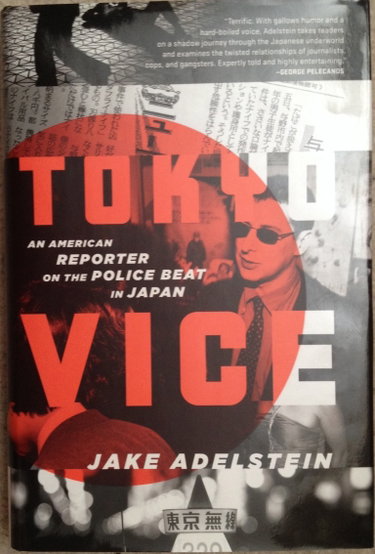
From the only American journalist ever to have been admitted to the insular Tokyo Metropolitan Police press club: a unique, firsthand, revelatory look at Japanese culture from the underbelly up.
At nineteen, Jake Adelstein went to Japan in search of peace and tranquility. What he got was a life of crime . . . crime reporting, that is, at the prestigious Yomiuri Shinbun. For twelve years of eighty-hour workweeks, he covered the seedy side of Japan, where extortion, murder, human trafficking, and corruption are as familiar as ramen noodles and sake. But when his final scoop brought him face to face with Japan’s most infamous yakuza boss—and the threat of death for him and his family—Adelstein decided to step down . . . momentarily. Then, he fought back.
In Tokyo Vice, Adelstein tells the riveting, often humorous tale of his journey from an inexperienced cub reporter—who made rookie mistakes like getting into a martial-arts battle with a senior editor—to a daring, investigative journalist with a price on his head. With its vivid, visceral descriptions of crime in Japan and an exploration of the world of modern-day yakuza that even few Japanese ever see, Tokyo Vice is a fascination, and an education, from first to last.
Extrait
FATE WILL BE ON YOUR SIDE
July 12, 1992, marked the turning point of my education about Japan. I was glued to a position next to the phone, feet inside my mini- refrigerator—in the heat of the summer any cool will do—waiting for a call from the Yomiuri Shinbun, Japan’s most prestigious newspaper. I would land a job as a reporter, or I would remain jobless. It was a long night, the culmination of a process that had stretched out over an entire year.
Not long before that, I had been wallowing in the luxury of not caring a bit about my future. I was a student at Sophia (Joichi) University in the middle of Tokyo, where I was working toward a degree in comparative literature and writing for the student newspaper.
So I had experience, but nothing that would pass for the beginnings of a career. I was a step up from teaching English and was making a decent income translating instructional kung fu videos from English into Japanese. Combined with an occasional gig giving Swedish massage to wealthy Japanese housewives, I earned enough for day-to-day expenses, but I was still leaning on the parents for tuition.
I had no idea what I wanted to do. Most of my fellow students had jobs already promised them before their graduation—a practice called naitei, which is unethical, but everyone does it. I had gotten such a promise too, with Sony Computer Entertainment, but it was good only if I extended my schooling for another year. It wasn’t a job that I really wanted, but it was, after all, Sony.
So in late 1991, with a very light class load and lots of time on my hands, I decided to throw myself into studying the Japanese language. I made up my mind to take the mass communication exams for soon-to-be university graduates and try to land a job as a reporter, working and writing in Japanese. I had the fantasy that if I could write for the school newspaper, it couldn’t be much more difficult to write for a national newspaper with eight or nine million readers.
In Japan, people don’t build a career at the major newspapers by working their way up through local, small-town newspapers. The papers hire the bulk of their reporters straight out of university, but first the cubs have to pass a standardized “entrance exam”—a kind of newspaper SAT. The ritual goes like this: Aspiring reporters report to a giant auditorium and sit for daylong tests. If your score is high enough, you get an interview, and then another, and then another. If you do well enough in your interviews, and if your interviewers like you, then you might get a job promise.
To be honest, I didn’t really think I’d be hired by a Japanese newspaper. I mean, what were the chances that a Jewish kid from Missouri would be accepted into t