Présentation de l'éditeur
From the dean of Scandinavian noir, the first riveting installment in the internationally bestselling and universally acclaimed Kurt Wallander series, the basis for the PBS series staring Kenneth Branagh.
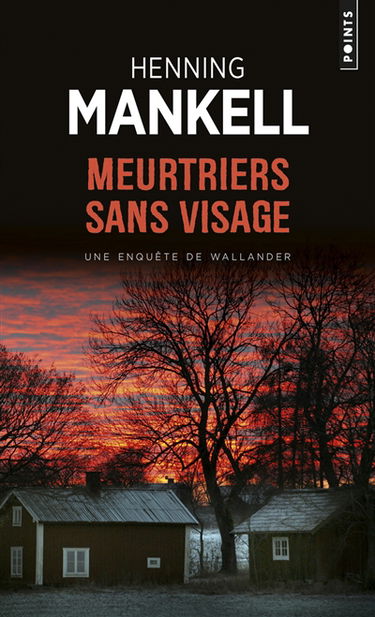
It was a senselessly violent crime: on a cold night in a remote Swedish farmhouse an elderly farmer is bludgeoned to death, and his wife is left to die with a noose around her neck. And as if this didn’t present enough problems for the Ystad police Inspector Kurt Wallander, the dying woman’s last word is foreign, leaving the police the one tangible clue they have–and in the process, the match that could inflame Sweden’s already smoldering anti-immigrant sentiments.
Unlike the situation with his ex-wife, his estranged daughter, or the beautiful but married young prosecuter who has peaked his interest, in this case, Wallander finds a problem he can handle. He quickly becomes obsessed with solving the crime before the already tense situation explodes, but soon comes to realize that it will require all his reserves of energy and dedication to solve.
Extrait
Chapter 1
He has forgotten something, he knows that for sure when he wakes up. Something he dreamt during the night. Something he ought to remember. He tries to remember. But sleep is like a black hole. A well that reveals nothing of its contents.
At least I didn’t dream about the bulls, he thinks. Then I would have been hot and sweaty, as if I had suffered through a fever during the night. This time the bulls left me in peace.
He lies still in the darkness and listens. His wife’s breathing at his side is so faint that he can scarcely hear it. One of these mornings she’ll be lying dead beside me and I won’t even notice, he thinks. Or maybe it’ll be me. Daybreak will reveal that one of us has been left all alone. He checks the clock on the table next to the bed. The hands glow and register 4:45 a.m.
Why did I wake up? he asks himself. Usually I sleep till 5:30. I’ve done that for more than forty years. Why did I wake now? He listens to the darkness and suddenly he is wide-awake. Something is different. Something has changed. He stretches out one hand tentatively until he touches his wife’s face. With his fingertips he can feel that she’s warm. So she’s not dead. Neither of them has been left alone yet. He listens intently to the darkness.
The horse, he thinks. She’s not neighing. That’s why I woke up. Normally the mare whinnies at night. I hear it without waking up, and in my subconscious I know that I can keep on sleeping. Carefully he gets up from the creaky bed. For forty years they’ve owned it. It was the only piece of furniture they bought when they got married. It’s also the only bed they’ll ever have. He can feel his left knee aching as he crosses the wooden floor to the window.
I’m old, he thinks. Old and worn out. Every morning when I wake up I’m surprised all over again that I’m seventy years old. He looks out into the winter night. It’s January 7, 1990, and no snow has fallen in Skåne this winter. The lamp outside the kitchen door casts its glow across the yard, the bare chestnut tree, and the fields beyond. He squints towards the neighbouring farm where the Lövgrens live. The long, low, white house is dark. The stable in the corner against the farmhouse has a pale yellow lamp above its black door. That’s where the mare stands in her stall, and that’s where she whinnies uneasily at night when something disturbs her. He listens to the darkness. The bed creaks behind him.
“What are you doing?” mutters his wife.
“Go back to sleep,” he replies. “I’m just stretching my legs.”
“Is your knee hurting again?”
“No.”
“Then come back to bed. Don’t stand there freezing, you’ll catch cold.”
He hears her turn over onto her side. Once we loved each other, he thinks. But he shields himself from his own thought. That’s too noble a word. Love. It’s not for the likes of us. Someone who has been a farmer for more than forty years, who has worked