Présentation de l'éditeur
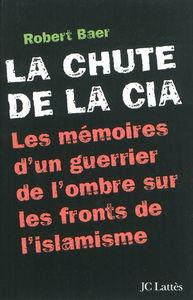
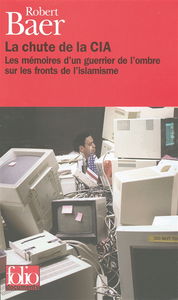
In his explosive New York Times bestseller, top CIA operative Robert Baer paints a chilling picture of how terrorism works on the inside and provides startling evidence of how Washington politics sabotaged the CIA’s efforts to root out the world’s deadliest terrorists, allowing for the rise of Osama bin Laden and Al Qaeda and the continued entrenchment of Saddam Hussein in Iraq.
A veteran case officer in the CIA’s Directorate of Operations in the Middle East, Baer witnessed the rise of terrorism first hand and the CIA’s inadequate response to it, leading to the attacks of September 11, 2001. This riveting book is both an indictment of an agency that lost its way and an unprecedented look at the roots of modern terrorism, and includes a new afterword in which Baer speaks out about the American war on terrorism and its profound implications throughout the Middle East.
“Robert Baer was considered perhaps the best on-the-ground field
officer in the Middle East.”
–Seymour M. Hersh, The New Yorker
From The Preface
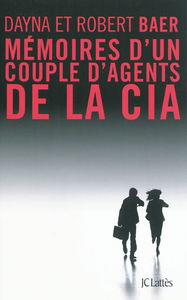
This book is a memoir of one foot soldier’s career in the other cold war, the one against terrorist networks. It’s a story about places most Americans will never travel to, about people many Americans would prefer to think we don’t need to do business with.
This memoir, I hope, will show the reader how spying is supposed to work, where the CIA lost its way, and how we can bring it back again. But I hope this book will accomplish one more purpose as well: I hope it will show why I am angry about what happened to the CIA. And I want to show why every American and everyone who cares about the preservation of this country should be angry and alarmed, too.
The CIA was systematically destroyed by political correctness, by petty Beltway wars, by careerism, and much more. At a time when terrorist threats were compounding globally, the agency that should have been monitoring them was being scrubbed clean instead. Americans were making too much money to bother. Life was good. The White House and the National Security Council became cathedrals of commerce where the interests of big business outweighed the interests of protecting American citizens at home and abroad. Defanged and dispirited, the CIA went along for the ride. And then on September 11, 2001, the reckoning for such vast carelessness was presented for all the world to see.
Extrait
PREFACE
In late 1994 I found myself living pretty much on airplanes. I would arrive in Amman, Jordan, in the late afternoon, check into a hotel, take a quick shower, and then spend the night talking to one Iraqi dissident or another about what to do with Saddam Hussein. Often I wouldn’t crawl into bed until well after midnight, only to get up a few hours later to catch a plane back to Washington and my office at CIA headquarters in Langley, Virginia. It made for a long day. I was used to it, though, having spent nearly twenty years working the streets of the Middle East at the same pace.
Occasionally, in this covert version of shuttle diplomacy, I’d get off the plane in London and just walk around the city so I could catch my breath. I didn’t follow a particular route, but often without intending it, I’d end up in the Edgeware Road area, a part of central London taken over by Arabs and other Middle Easterners. With the veiled women, and the men walking around in flowing robes, it felt like I’d never left the Middle East, but there was one subtle difference: the Arabic bookstores.
In most parts of the Middle East, bookstores are forbidden from selling radical Islamic tracts that openly advocate violence, but in London’s Arabic bookstores there were racks of them. One glance at the bold print and you knew what they were about: a deep, uncompromising hatred for the United States. In the worldview of the people who wrote and published these tracts, a jihad, or holy war, between Islam and America wasn’t just a possibility; for them the war was a given, and it was a