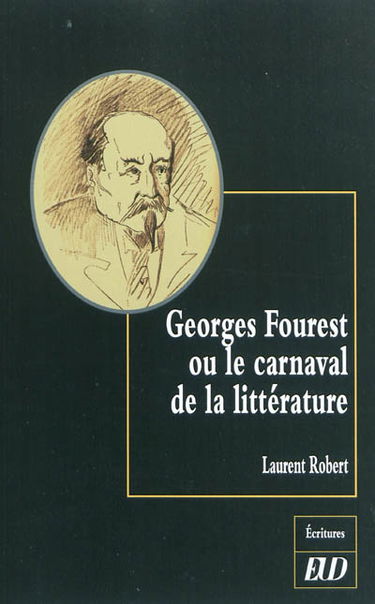
Certains poètes jouissent d'une notoriété ambiguë. Trop - faussement - léger pour être un classique, Georges Fourest (1864-1945), l'auteur de La Négresse blonde et du Géranium ovipare, n'est cependant pas dénué d'admirateurs fervents, parmi lesquels se croisent poètes avant-gardistes et académiciens, lycéens tentés par l'impertinence et amateurs de littérature du second rayon.
Souvent associée à la Décadence et à la littérature fin de siècle, sa poésie échappe pourtant aux circonstances qui l'ont vu naître. Presque constamment au second degré, elle entraîne le patrimoine littéraire dans une folle sarabande. Comme tout carnaval, c'est une fête débridée, joyeuse et morbide à la fois, où l'ancien est enterré pour mieux renaître, rhabillé de neuf.
Lire Fourest aujourd'hui revient donc à se plonger, non sans gourmandise, dans une des rares oeuvres poétiques françaises dont la littérature soit l'objet même.
The notoriety enjoyed by some poets can be ambiguous. Wrongly considered as too light-hearted to be seen as a classic, Georges Fourest (1864-1945), who wrote. La Négresse blonde and Géranium ovipare, has nevertheless many fervent admirers, amongst which avant-garde poets and academicians, students with a liking for the impertinent and lovers of obscure literature can be counted. Often associated to the Decadence and end of the century literature, his poetry is yet set apart from the circumustances of its time. Almost always ironical, it leads its literary heritage into a crazy dance. It's a carnival, unbridled festivities, at once merry and morbid, where the old is buried so that it can be born again, wearing its new costume.
To read Fourest today is to dive, not without relish, into one of the rare French poetical works in which literature is the object.