Présentation de l'éditeur
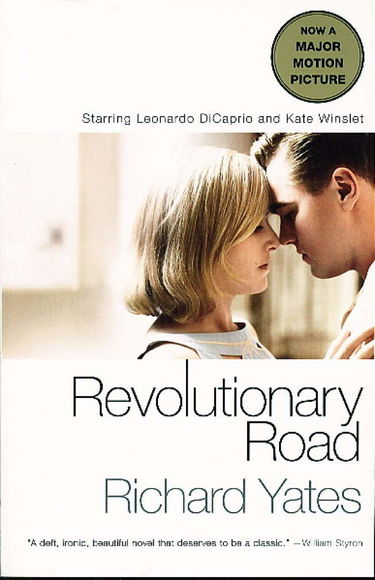
In the hopeful 1950s, Frank and April Wheeler appear to be a model couple: bright, beautiful, talented, with two young children and a starter home in the suburbs. Perhaps they married too young and started a family too early. Maybe Frank's job
is dull. And April never saw herself as a housewife. Yet they have always lived on the assumption that greatness is only just around the corner. But now that certainty is about to crumble.With heartbreaking compassion and remorseless clarity, Richard Yates shows how Frank and April mortgage their spiritual birthright, betraying not only each other, but their best selves.
Extrait
ONE
The final dying sounds of their dress rehearsal left the Laurel Players with nothing to do but stand there, silent and helpless, blinking out over the footlights of an empty auditorium. They hardly dared to breathe as the short, solemn figure of their director emerged from the naked seats to join them on stage, as he pulled a stepladder raspingly from the wings and climbed halfway up its rungs to turn and tell them, with several clearings of his throat, that they were a damned talented group of people and a wonderful group of people to work with.
"It hasn't been an easy job," he said, his glasses glinting soberly around the stage. "We've had a lot of problems here, and quite frankly I'd more or less resigned myself not to expect too much. Well, listen. Maybe this sounds corny, but something happened up here tonight. Sitting out there tonight I suddenly knew, deep down, that you were all putting your hearts into your work for the first time." He let the fingers of one hand splay out across the pocket of his shirt to show what a simple, physical thing the heart was; then he made the same hand into a fist, which he shook slowly and wordlessly in a long dramatic pause, closing one eye and allowing his moist lower lip to curl out in a grimace of triumph and pride. "Do that again tomorrow night," he said, "and we'll have one hell of a show."
They could have wept with relief. Instead, trembling, they cheered and laughed and shook hands and kissed one another, and somebody went out for a case of beer and they all sang songs around the auditorium piano until the time came to agree, unanimously, that they'd better knock it off and get a good night's sleep.
"See you tomorrow!" they called, as happy as children, and riding home under the moon they found they could roll down the windows of their cars and let the air in, with its health-giving smells of loam and young flowers. It was the first time many of the Laurel Players had allowed themselves to acknowledge the coming of spring.
The year was 1955 and the place was a part of western Connecticut where three swollen villages had lately been merged by a wide and clamorous highway called Route Twelve. The Laurel Players were an amateur company, but a costly and very serious one, carefully recruited from among the younger adults of all three towns, and this was to be their maiden production. All winter, gathering in one anther's living rooms for excited talks about Ibsen and Shaw and O'Neill, and then for the show of hands in which a common-sense majority chose The Petrified Forest, and then for preliminary casting, they had felt their dedication growing stronger every week. They might privately consider their director a funny little man (and he was, in a way: he seemed incapable of any but a very earnest manner of speaking, and would often conclude his remarks with a little shake of the head that caused his cheeks to wobble) but they liked and respected him, and they fully believed in most of the things he said. "Any play deserves the best that any actor has to give," he'd told them once, and another time: "Remember this. We're not just putting on a play here. We're establishing a community theater, and that's a pretty important thing to be doing."
The trouble was that from the very beginning they had been afraid they would end by maki