Présentation de l'éditeur
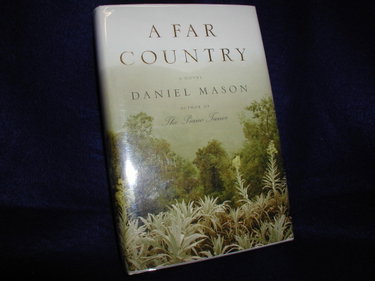
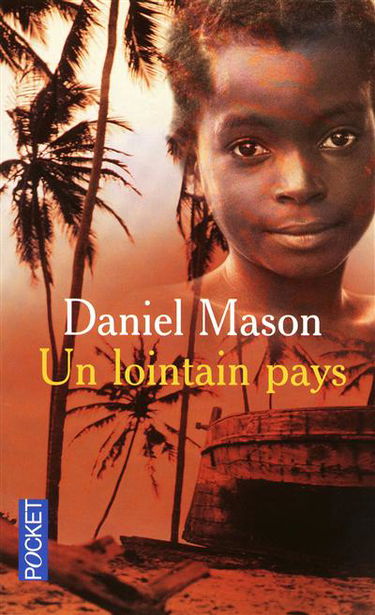
From the best-selling author of
The Piano Tuner, a stunning new novel about a young girl’s journey through a vast, unnamed country in search of her brother.
Raised in a remote village on the edge of a sugarcane plantation, fourteen-year-old Isabel was born with the gift and curse of “seeing farther.” When drought and war grip the backlands, her brother Isaias joins a great exodus to a teeming city in the south. Soon Isabel must follow, forsaking the only home she’s ever known, her sole consolation the thought of being with her brother again. But when she arrives, she discovers that Isaias has disappeared. Weeks and then months pass, until one day, armed only with her unshakable hope, she descends into the chaos of the city to find him.
Told with astonishing empathy, and strikingly visual, the story of Isabel’s quest—her dignity and determination, her deeply spiritual world—is a universal tale about the bonds of family and a sister’s love for her brother, about journeys and longing, survival and true heroism.
A tour de force of great emotional and narrative power.
Extrait
In the valley of the village they would one day name Saint Michael in the Cane, the men and women waited, turning the November soil and watching the sky.
Clouds came, following the empty riverbeds on long solitary treks from the coast.
Sometimes it rained. Little green leaves unfurled from the dry branches, and a soft grass bloomed on the floor of the thorn scrub they called the white forest because it was too poor for color. The men and women watched the sky distrustfully then. Sometimes the rain fell so close they could smell it, but if it didn't fall again in that corner of earth, the leaves turned brown and rattled in the wind. That could kill a field, they said: a single rain and then empty skies. It raised your hopes, the land's hopes. They called it green drought and swore at it under their breath. Rain is like a man, said the women, It flatters you with sweet gifts, but it is worse than nothing if it doesn't stay.
When the rains didn't come again, the first plants to die were the grasses. Then the thorn brittled and the cactus grayed. In December, on the eve of Saint Lucy's Day, they set out six fragments of salt to divine for drought, and in the morning they counted how many had melted away and how many remained.
Finally, when the earth grew so hot that any rain would only steam back into the sky, they began to get ready. They called it the retreat, as if to settle the backlands was a foolish and unnatural thing in the first place. Most had seen drought before and knew too well the rituals of flight and uncertain return. In the dry fields, they clanged spades against the stone and combed the earth for fragments of manioc. They made calculations, checking their stores of salted meat and the levels of their wells.
As the days passed, they watched the sky, pinning their hopes on distant clouds that vanished suddenly as if bewitched. They broke fragments of dirt from the ground, caressed and crumbled them between their fingers, rolled the warm silt along the dry calluses of their thumbs, tasted it, talked to it. Coaxed, apologized, pleaded. Once a newspaperman from the coast came and wrote:
The sharecroppers know the texture of the land better than they know their own faces. When the story was read aloud in the drought camps, an old man laughed, Of course! I was born there, I'm too poor for a looking glass, and when was there ever enough water for a still pool?
At dusk, they sat outside their homes and listened to the dry creaking of the thorn. They counted the days since they had last seen the orange armadillos, the hawk that nested in the buckthorn, the night mice that made skittering pilgrimages across the bare yard. They drew thick mud from the wells, pressed and twisted it in handkerchiefs, sucked it or threw it to the goats. The goats ate the greenest plants first: the jujubes, then the delicate pinnae of the